Part 7: Virtual Memory: Multi-Level Paging, Page Faults & TLB Translation
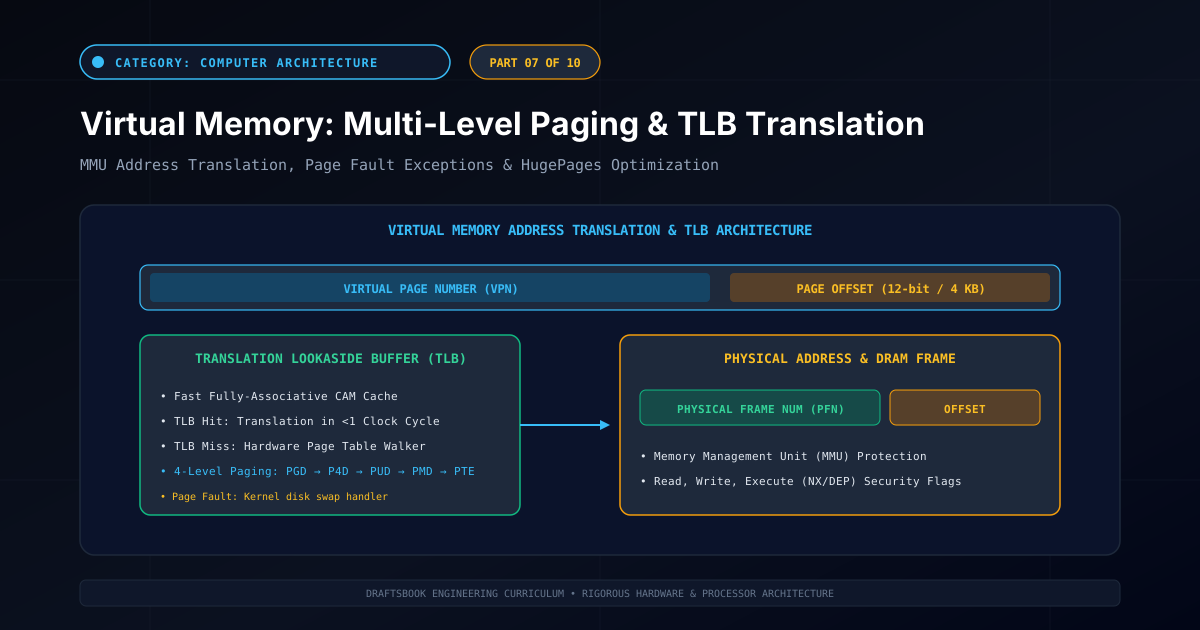
Memory Isolation & Address Translation
In modern multi-tasking operating systems, dozens of independent user applications run concurrently without colliding or overwriting each other's memory space. This seamless isolation is powered by Virtual Memory—an architectural abstraction managed jointly by hardware (the Memory Management Unit / MMU) and the operating system kernel. Virtual memory presents every running process with the illusion of an expansive, contiguous, private linear address space while transparently mapping virtual pages to fragmented physical DRAM frames or secondary storage swap space. In this article, we dissect multi-level page tables, the Translation Lookaside Buffer (TLB), and hardware page fault resolution.
1. Architectural Motivations for Virtual Memory
- Process Protection & Security: Each process operates in its own isolated address space. Process A cannot read or write Process B's memory. Hardware protection bits enforce read, write, and execute permissions (preventing code injection via the Non-Execute / NX bit).
- Transparent Memory Extension: Secondary disk storage acts as an overflow extension for physical RAM. Programs can exceed total installed physical DRAM capacity.
- Simplified Relocation & Compaction: Code is compiled to standard fixed virtual addresses without knowing where in physical DRAM the OS will load it.
2. Paging Architecture: Virtual to Physical Translation
Virtual memory divides address spaces into fixed-size contiguous blocks termed Pages (standardized at 4 KB = $4096\text{ bytes}$). Physical memory is similarly divided into identical-sized blocks called Page Frames.
A Virtual Address is partitioned into two components:
Because pages are 4 KB ($2^{12}$ bytes), the lower 12 bits represent the byte offset within the page and remain identical between virtual and physical addresses. The MMU looks up the VPN in a Page Table to retrieve the corresponding Physical Frame Number (PFN).
3. Multi-Level Page Tables in 64-Bit Architectures
In a 64-bit architecture with a 48-bit virtual address space, a single flat page table would require $2^{36}$ page table entries (PTEs). At 8 bytes per entry, a flat table would demand an absurd 512 Gigabytes of RAM per process just to hold the table itself!
Modern architectures (such as x86-64 and ARMv8/v9) solve this via 4-Level Hierarchical Paging (or 5-level paging for 57-bit addresses):
Because intermediate page tables are allocated dynamically on-demand, unmapped sparse virtual regions consume zero memory, slashing page table overhead from 512 GB down to a few kilobytes for typical applications.
4. Translation Lookaside Buffer (TLB) Acceleration
Walking a 4-level page table requires four consecutive DRAM memory reads (costing ~200 ns) before the CPU can fetch a single instruction or variable—a catastrophic 5x slowdown.
To eliminate page walk latency, the CPU incorporates a small, high-speed, fully-associative hardware cache called the Translation Lookaside Buffer (TLB):
- TLB Hit (>99% of accesses): The VPN-to-PFN translation is resolved in less than 1 clock cycle (<0.5 ns).
- TLB Miss: The MMU hardware page-table walker navigates the hierarchical tree in DRAM, resolves the physical address, and caches the mapping in the TLB for subsequent instructions.
- HugePages Optimization: Enterprise databases (PostgreSQL, MySQL) and hypervisors utilize 2 MB or 1 GB HugePages. A single 2 MB TLB entry covers 512x the address space of a 4 KB page, dramatically reducing TLB misses on massive in-memory datasets.
Related reading
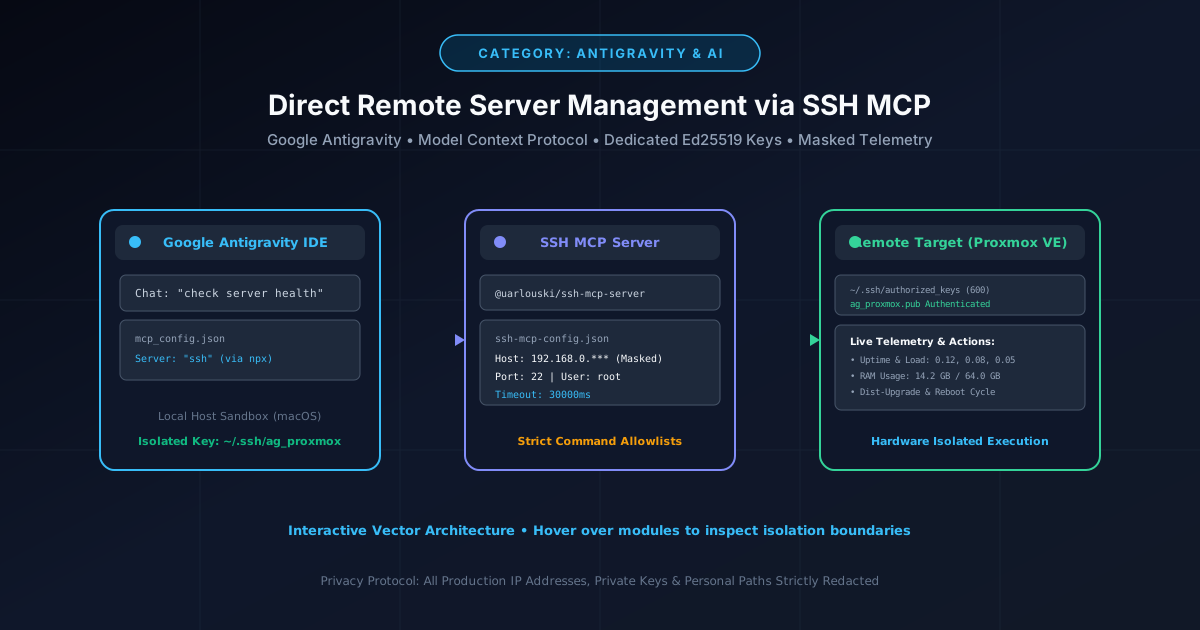
How to Give Google Antigravity Direct SSH Access to Remote Servers (Proxmox & Linux)
Connect Google Antigravity directly to Proxmox and Linux servers using the Model Context Protocol (MCP), dedicated Ed25519 keys, and automated updates.
By Md. Harun-Or-Roshid
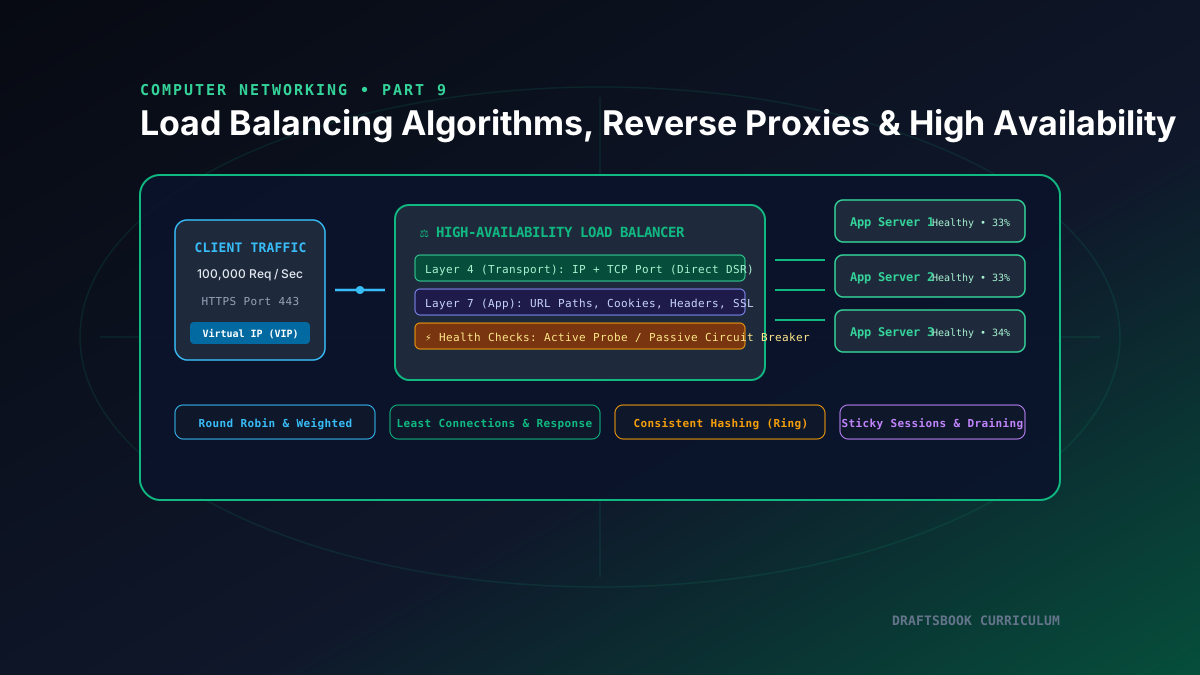
Part 9: Load Balancing: Layer 4 vs Layer 7, Algorithms, Reverse Proxies & High Availability
Master high-availability load balancing, comparing Layer 4 transport vs Layer 7 application routing, consistent hashing rings, and health checks.
By Md. Harun-Or-Roshid
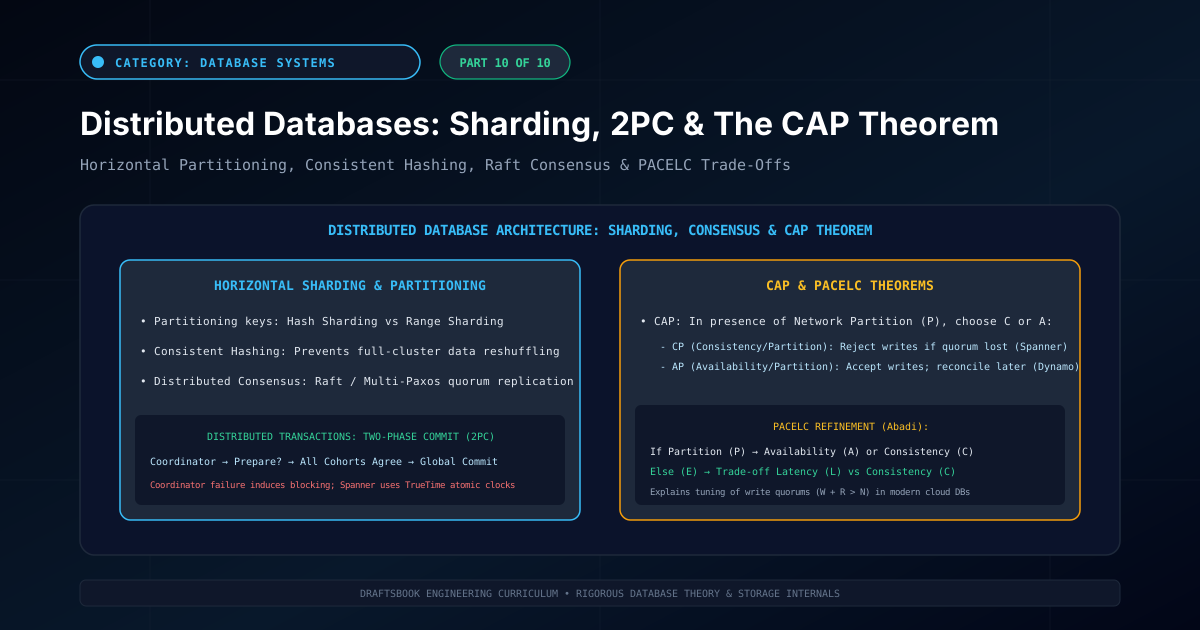
Part 10: Distributed Databases: Partitioning, Sharding, 2PC & CAP Theorem
Master distributed database architecture: horizontal sharding, consistent hashing, two-phase commit (2PC), CAP theorem trade-offs, and NewSQL engines.
By Md. Harun-Or-Roshid
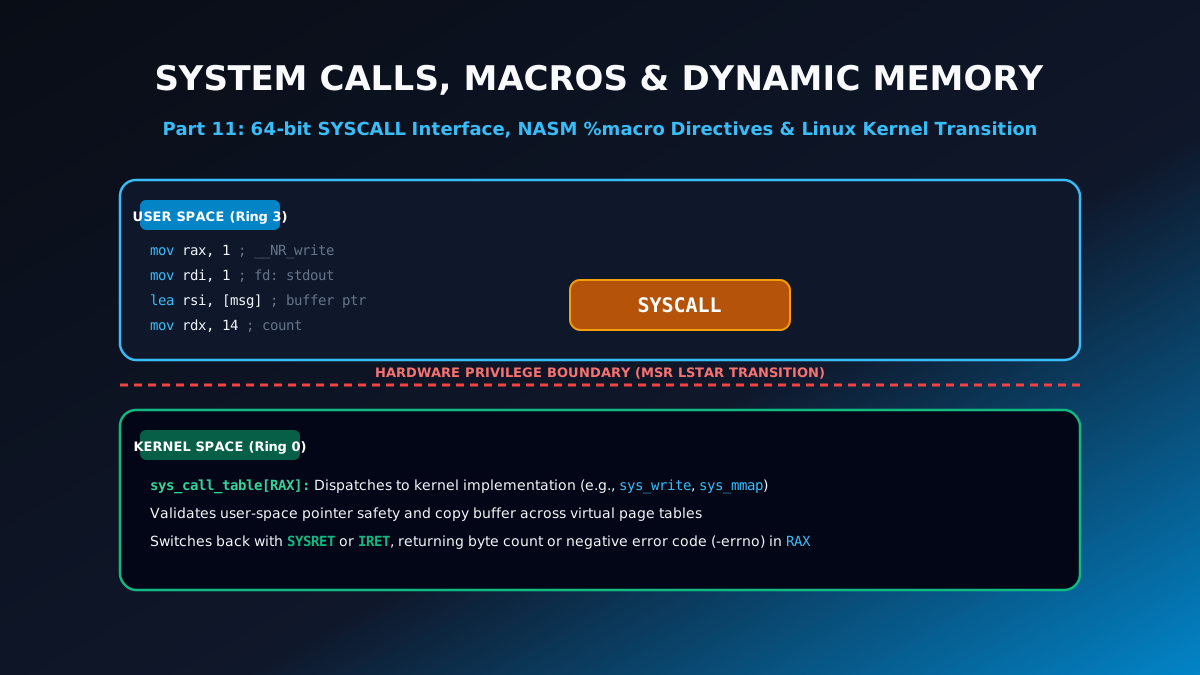
Part 11: Linux 64-Bit System Calls, NASM Macros & Dynamic Memory Allocation
Learn low-level systems programming: Linux 64-bit SYSCALL table, multi-argument NASM %macro directives, file I/O operations, and sys_mmap memory allocation.
By Md. Harun-Or-Roshid