Part 6: Cloud Management, Storage, Virtualization & Resource Provisioning
Lesson Focus & Objectives
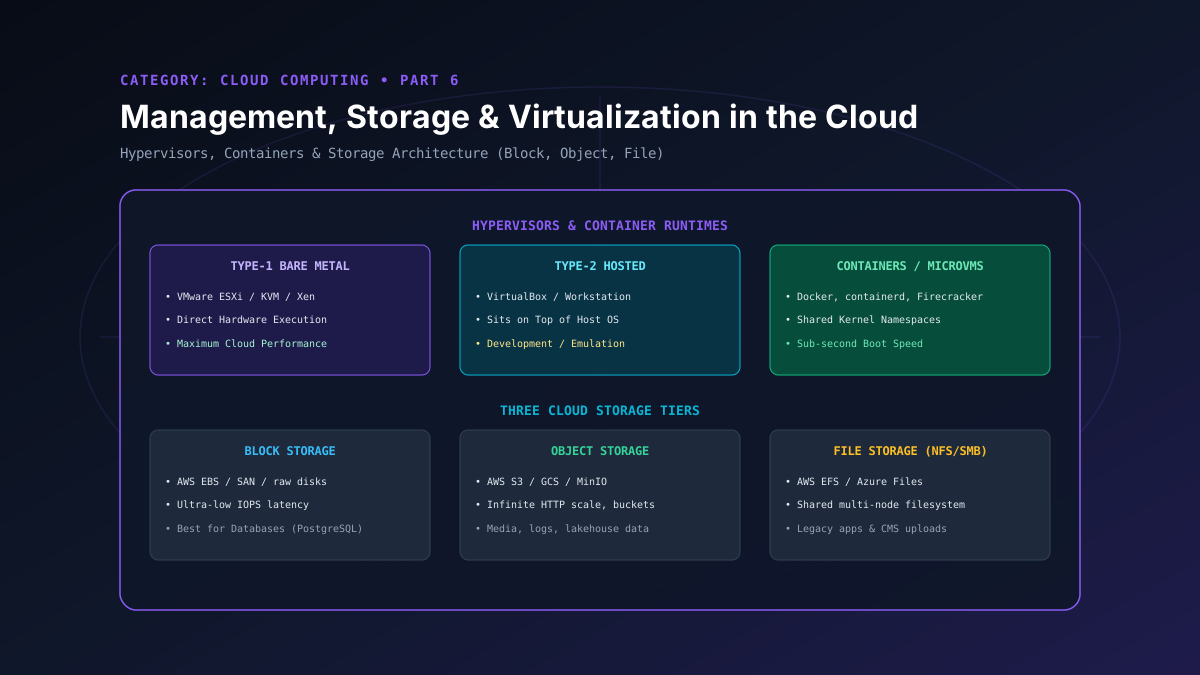
Virtualization is the fundamental technology that makes cloud computing possible. By decoupling computing resources from physical silicon, cloud providers achieve astronomical server utilization rates through dynamic multi-tenant slicing. In Part 6, we analyze Type-1 bare-metal hypervisors versus Type-2 hosted hypervisors, explore modern microVMs and container runtimes, and dissect the three fundamental cloud storage architectures: Block Storage, Object Storage, and Network File Storage.
1. Hypervisors: Type-1 vs. Type-2 vs. MicroVMs
Type-1 Bare-Metal
Runs directly on the host's physical silicon without an intervening host operating system (e.g., VMware ESXi, Linux KVM, Xen). Provides direct hardware execution, minimal hypervisor CPU overhead (< 2%), maximum I/O performance, and complete multi-tenant hardware isolation. Powers all hyperscale public cloud providers.
Type-2 Hosted
Runs as an application inside a conventional host operating system (e.g., Oracle VirtualBox, VMware Workstation). Every I/O interrupt and memory page fault traverses both the hypervisor and the underlying host kernel, incurring significant latency. Primarily used for local workstation testing.
MicroVMs & Containers
Technologies like AWS Firecracker and Kata Containers combine the near-zero overhead and millisecond boot speed of Linux cgroups/namespaces with the cryptographic hardware boundary of hardware virtualization, powering serverless computing (AWS Lambda, Fargate).
2. The Three Cloud Storage Archetypes
| Storage Tier | Access Protocol & Abstraction | Latency / IOPS | Primary Use Case |
|---|---|---|---|
| Block Storage | Raw 512-byte / 4KB sectors via iSCSI or NVMe-oF (e.g., AWS EBS, Azure Disk) | Sub-millisecond latency; up to 256,000 IOPS | High-performance relational databases (PostgreSQL, MySQL), VM OS boot volumes |
| Object Storage | Flat namespace, HTTP REST API (GET/PUT), metadata tags (e.g., AWS S3, GCS) | High latency (50-100ms TTFB); unbounded petabyte throughput | Static assets, media streaming, backups, machine learning data lakehouses |
| File Storage | Hierarchical POSIX filesystem via NFS v4 or SMB (e.g., AWS EFS, Azure Files) | Low latency (1-5ms); shared multi-client concurrent mounts | Legacy CMS uploads (WordPress), shared development workspaces, multi-node compute jobs |
3. Cloud Resource Provisioning & Auto-Scaling
Cloud management engines dynamically maintain Service Level Agreements (SLAs) through automated feedback control loops:
- Horizontal Pod Autoscaler (HPA): Samples CPU, memory, or custom queue metrics (e.g., RabbitMQ queue length) every 15 seconds to scale replica counts dynamically.
- Cluster Autoscaler: Detects pending pods that cannot be scheduled due to resource constraints and calls cloud APIs to provision new physical worker nodes.
- Over-Provisioning & Ballooning: Hypervisors dynamically allocate memory pages from idle virtual machines to active workloads using memory balloon drivers, maximizing hardware ROI.
Related reading
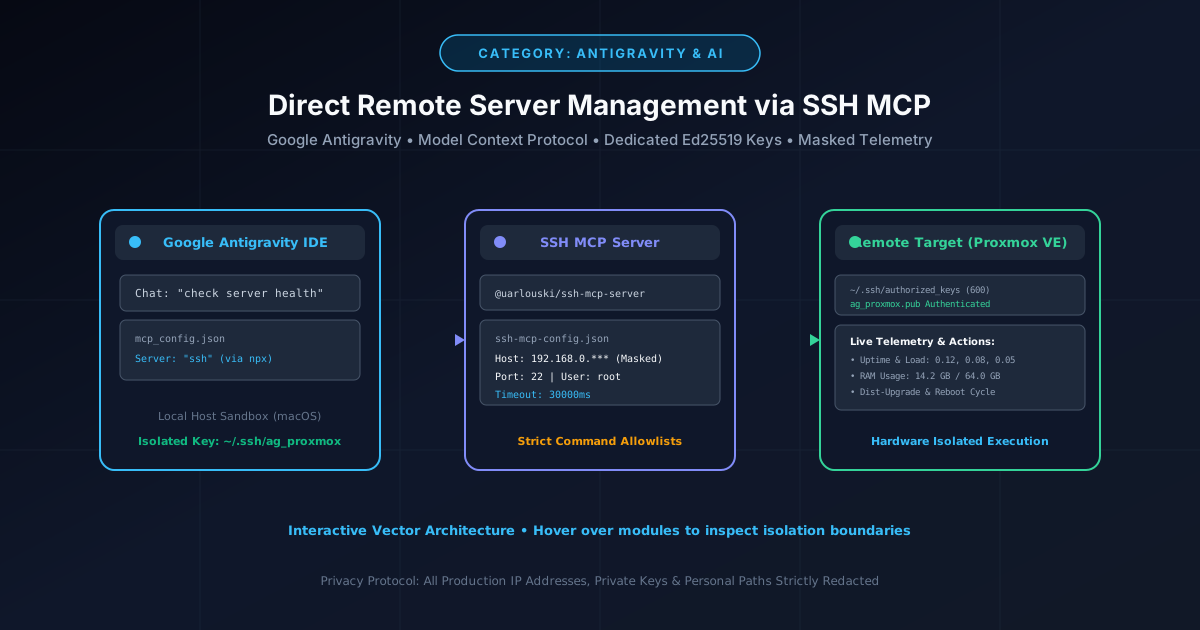
How to Give Google Antigravity Direct SSH Access to Remote Servers (Proxmox & Linux)
Connect Google Antigravity directly to Proxmox and Linux servers using the Model Context Protocol (MCP), dedicated Ed25519 keys, and automated updates.
By Md. Harun-Or-Roshid
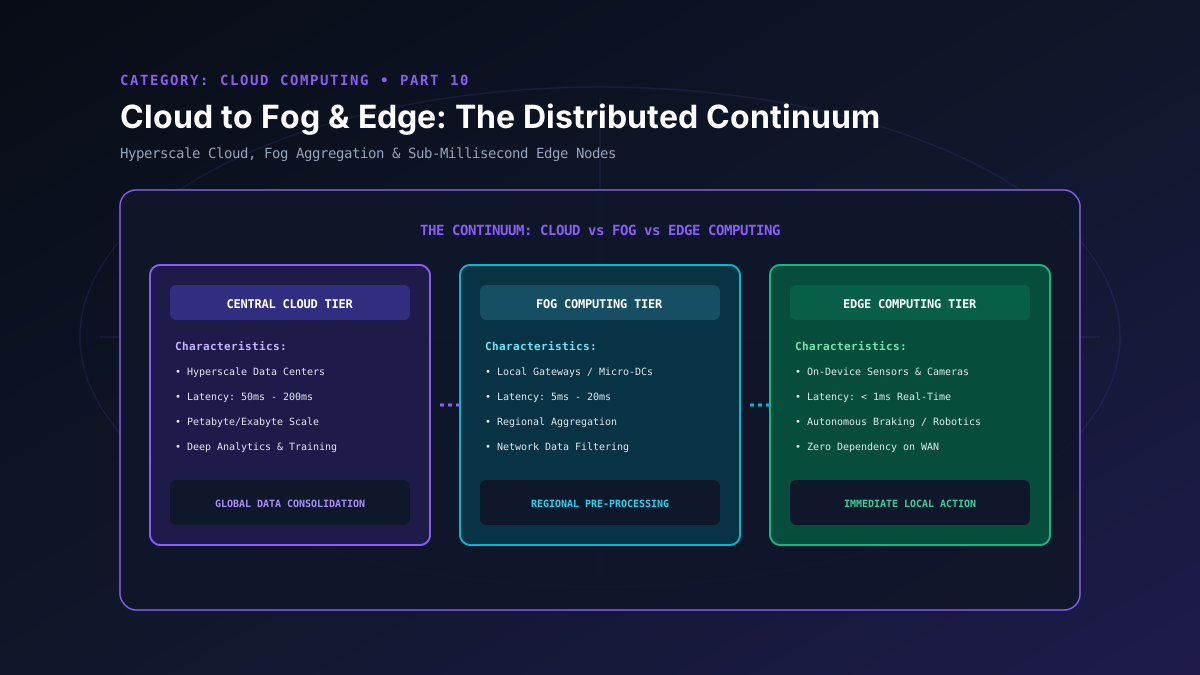
Part 10: Cloud to Fog & Edge: Architecting the Distributed Continuum
Explore the distributed computing continuum: compare centralized cloud, fog computing gateways, and real-time edge nodes for latency-critical IoT systems.
By Md. Harun-Or-Roshid
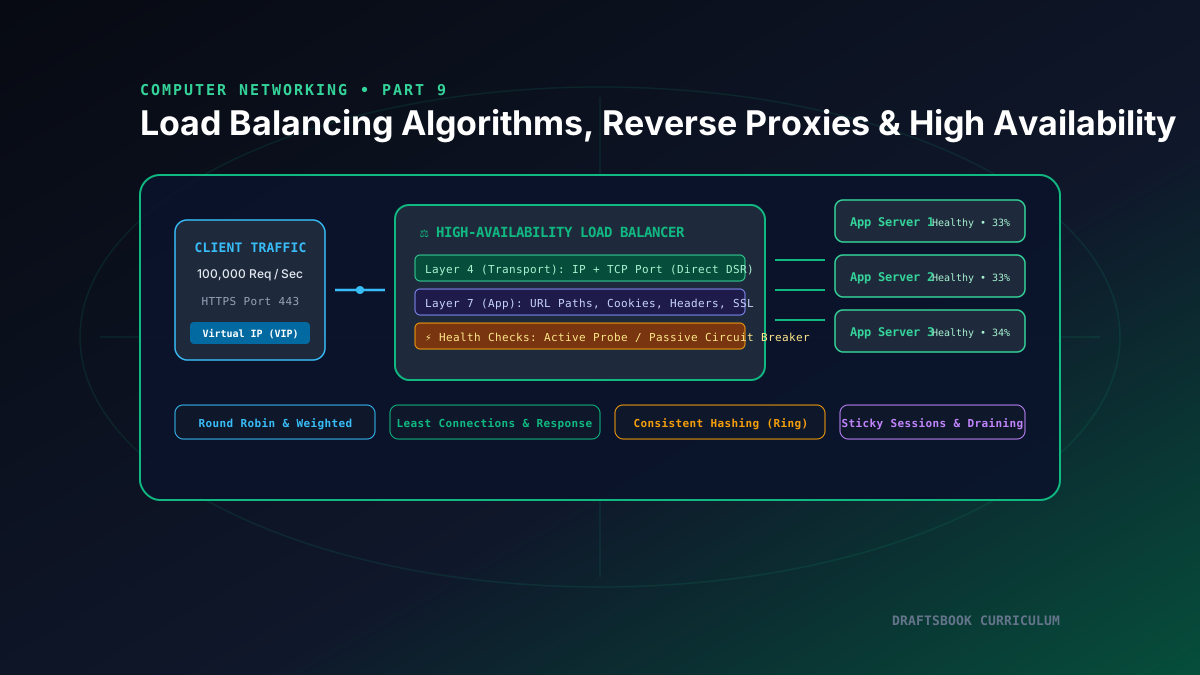
Part 9: Load Balancing: Layer 4 vs Layer 7, Algorithms, Reverse Proxies & High Availability
Master high-availability load balancing, comparing Layer 4 transport vs Layer 7 application routing, consistent hashing rings, and health checks.
By Md. Harun-Or-Roshid
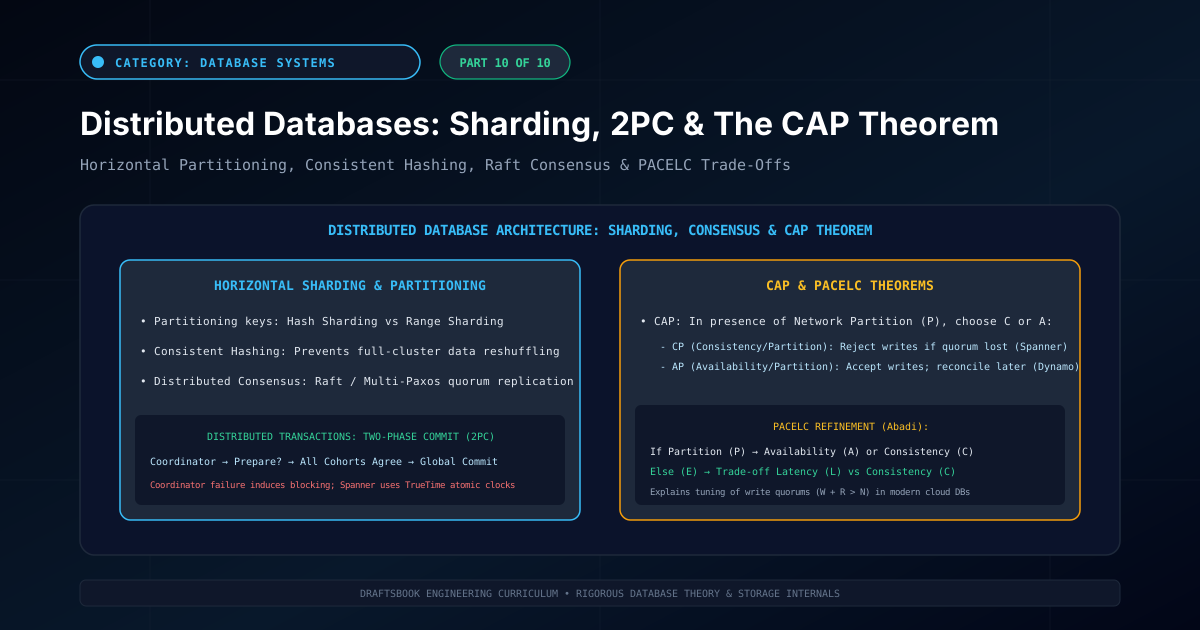
Part 10: Distributed Databases: Partitioning, Sharding, 2PC & CAP Theorem
Master distributed database architecture: horizontal sharding, consistent hashing, two-phase commit (2PC), CAP theorem trade-offs, and NewSQL engines.
By Md. Harun-Or-Roshid