Part 11: Linux 64-Bit System Calls, NASM Macros & Dynamic Memory Allocation
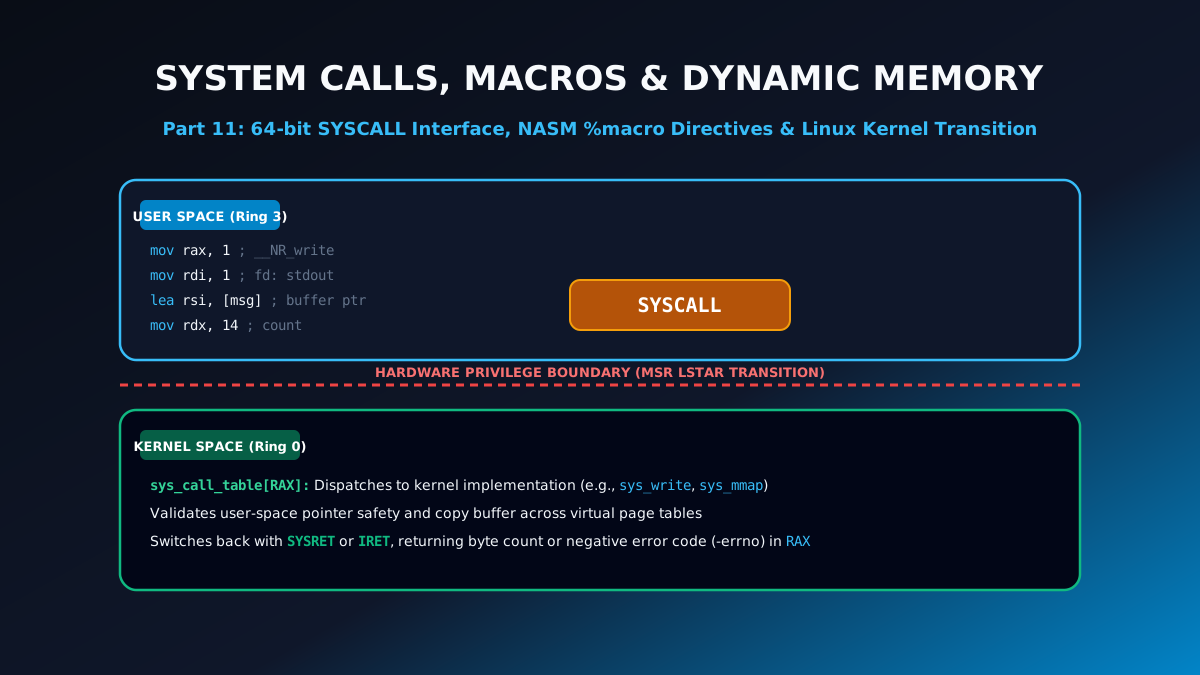
Curriculum Capstone & Kernel Interfacing
Welcome to the grand finale of our 11-part assembly language masterclass. Having mastered computer architecture, memory addressing, arithmetic, bitwise manipulation, branching, and calling conventions, we now confront the boundary between user-space application code and the Linux operating system kernel. In Part 11, we master the 64-bit syscall instruction, explore the Linux System Call Dispatch Table, author sophisticated multi-line NASM macros, perform low-level file I/O operations, allocate anonymous virtual memory via sys_mmap, and examine hybrid C/Assembly integration.
1. The Linux x86-64 System Call Architecture
In 64-bit Linux, user processes run in CPU privilege Ring 3 (unprivileged user space). Hardware access, file writing, process creation, and network transmission are restricted to Ring 0 (kernel space). The transition from Ring 3 to Ring 0 is initiated via the high-performance syscall instruction (which reads the kernel entry address from the hardware MSR_LSTAR Model-Specific Register).
| Syscall Number (RAX) | System Call Name | Argument 1 (RDI) | Argument 2 (RSI) | Argument 3 (RDX) | Argument 4 (R10) |
|---|---|---|---|---|---|
| 0 | sys_read | unsigned int fd | char *buf | size_t count | - |
| 1 | sys_write | unsigned int fd | const char *buf | size_t count | - |
| 2 | sys_open | const char *filename | int flags | umode_t mode | - |
| 3 | sys_close | unsigned int fd | - | - | - |
| 9 | sys_mmap | void *addr | size_t len | int prot | int flags |
| 60 | sys_exit | int error_code | - | - | - |
CRITICAL SYSCALL REGISTER DIFFERENCE: RCX vs. R10
Notice that while standard C functions pass the 4th argument in RCX, Linux system calls pass the 4th argument in R10! This is because the CPU hardware syscall instruction internally uses RCX to save the user-space return Instruction Pointer (RIP) and R11 to save RFLAGS.
2. Multi-Line NASM Macros with Local Labels
NASM allows defining sophisticated multi-line macros using %macro and %endmacro. To prevent duplicate symbol collisions during macro expansion, local labels within a macro must be prefixed with %%:
; Macro: write_str buffer_label, length
%macro write_str 2
mov rax, 1 ; sys_write
mov rdi, 1 ; stdout fd
lea rsi, [%1] ; Buffer address
mov rdx, %2 ; Length
syscall
%endmacro
; Macro: exit_process status_code
%macro exit_process 1
mov rax, 60 ; sys_exit
mov rdi, %1
syscall
%endmacro
3. Dynamic Memory Allocation via sys_mmap
While the legacy sys_brk syscall expands the process data segment, modern production memory allocators (like jemalloc or glibc malloc) allocate dynamic memory pages directly from the Linux kernel using anonymous memory mappings (sys_mmap, syscall 9):
; Allocate 64 KB (16 pages) of Read/Write zero-initialized memory
mov rax, 9 ; sys_mmap
xor rdi, rdi ; addr = NULL (kernel selects virtual address)
mov rsi, 65536 ; length = 64 KB
mov rdx, 3 ; prot = PROT_READ (1) | PROT_WRITE (2)
mov r10, 0x22 ; flags = MAP_PRIVATE (0x02) | MAP_ANONYMOUS (0x20)
mov r8, -1 ; fd = -1 (no underlying file)
xor r9, r9 ; offset = 0
syscall
; On return: RAX contains pointer to newly allocated 64KB virtual memory buffer!
; If RAX < 0 (e.g. -ENOMEM), allocation failed.
4. Series Conclusion & Next Engineering Horizons
Congratulations on completing the Mastering Modern Assembly Language curriculum! Over these 11 intensive engineering installments, you have journeyed from the silicon gates of the CPU to the cutting edge of 64-bit systems programming. You now possess the mental model required to analyze compiled binaries, audit systems for memory corruption vulnerabilities, optimize algorithms for cache throughput, and write blazing-fast low-level software.
Recommended Next Steps
- Explore our companion series: Microprocessor & Microcontroller Architecture to understand hardware pinouts and silicon fabrication.
- Investigate vector SIMD programming using AVX2 and AVX-512 extensions (YMM/ZMM registers).
- Practice dynamic binary analysis and reverse engineering using Ghidra, IDA Pro, and GEF.
Related reading
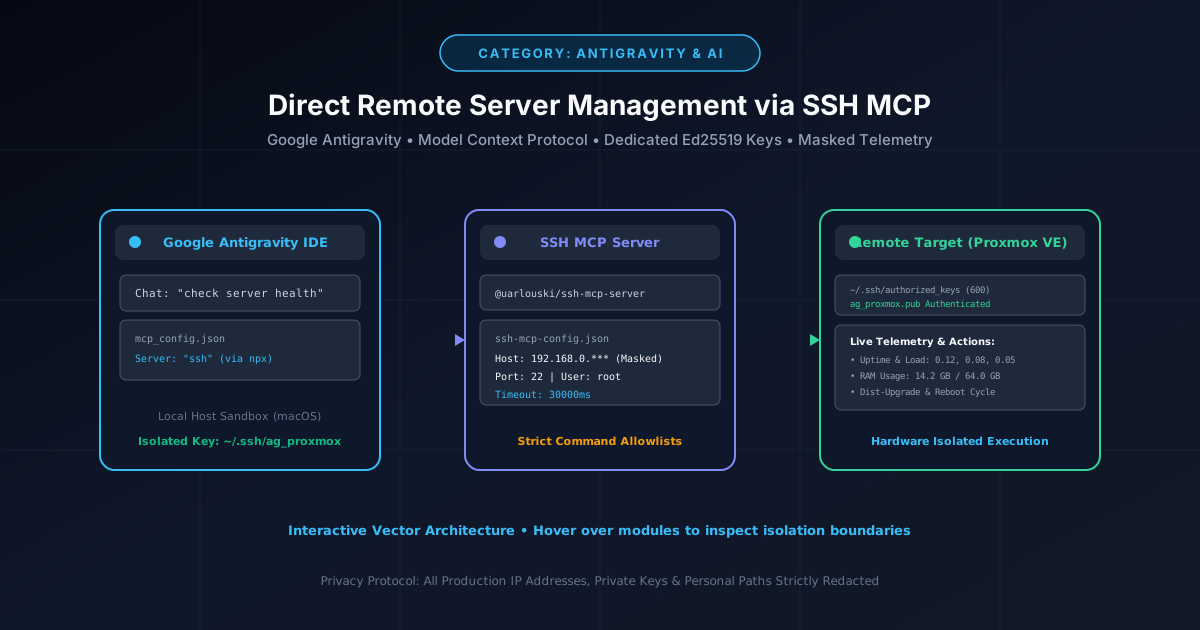
How to Give Google Antigravity Direct SSH Access to Remote Servers (Proxmox & Linux)
Connect Google Antigravity directly to Proxmox and Linux servers using the Model Context Protocol (MCP), dedicated Ed25519 keys, and automated updates.
By Md. Harun-Or-Roshid

Part 9: Load Balancing: Layer 4 vs Layer 7, Algorithms, Reverse Proxies & High Availability
Master high-availability load balancing, comparing Layer 4 transport vs Layer 7 application routing, consistent hashing rings, and health checks.
By Md. Harun-Or-Roshid
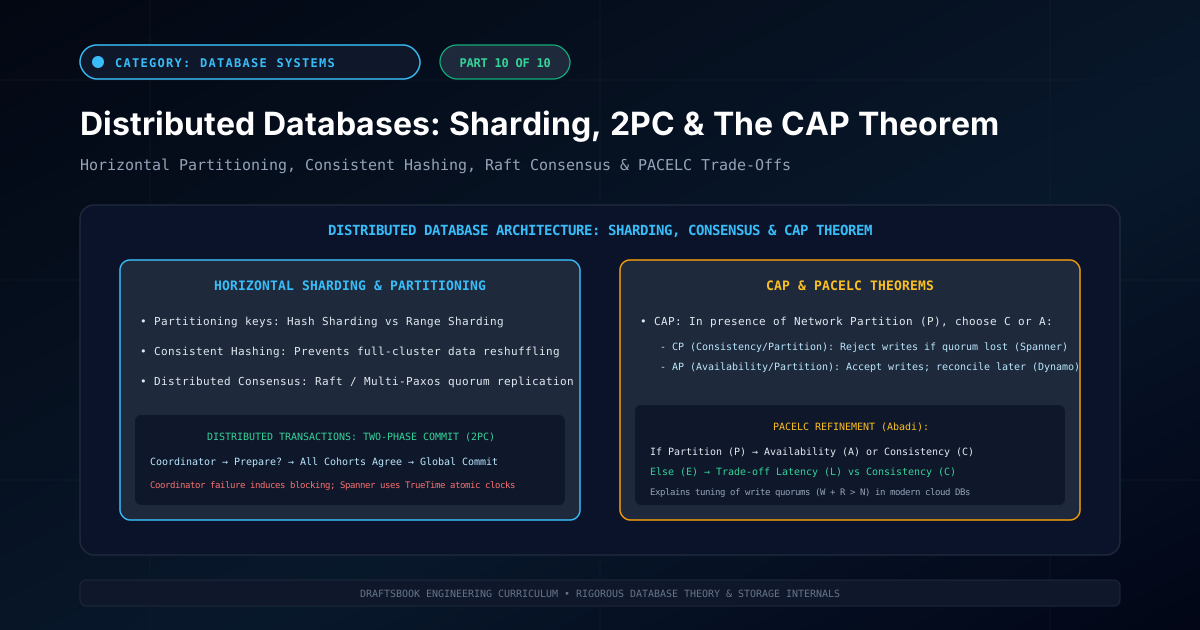
Part 10: Distributed Databases: Partitioning, Sharding, 2PC & CAP Theorem
Master distributed database architecture: horizontal sharding, consistent hashing, two-phase commit (2PC), CAP theorem trade-offs, and NewSQL engines.
By Md. Harun-Or-Roshid
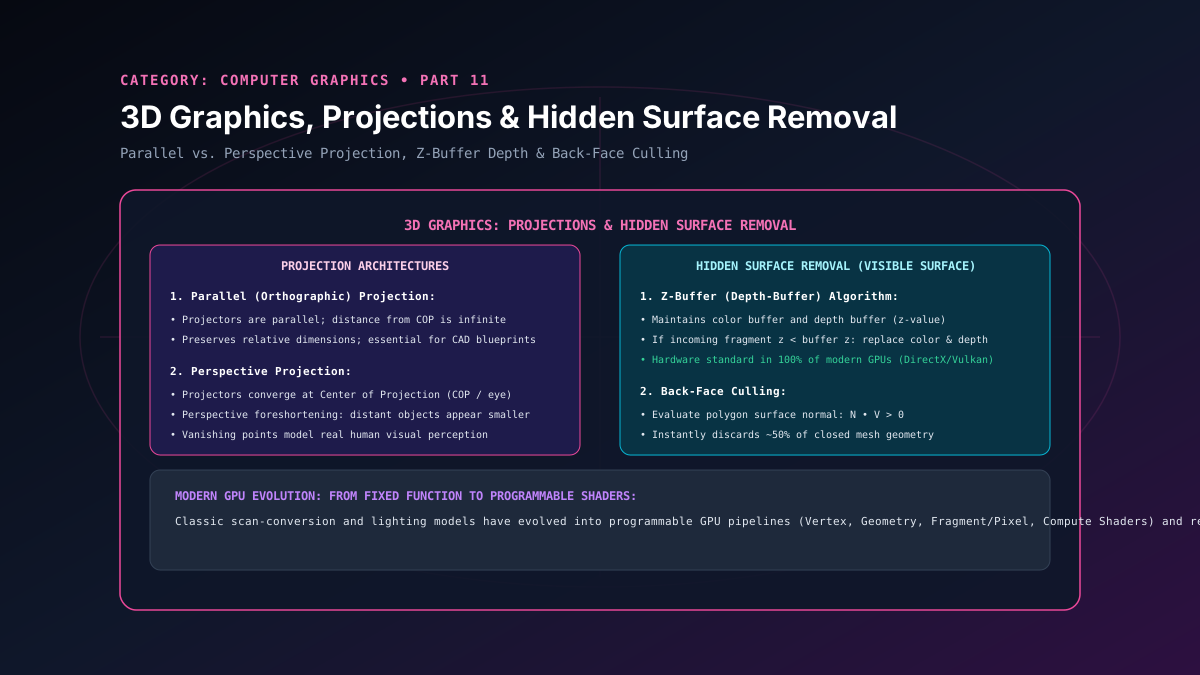
Part 11: 3D Graphics: Parallel & Perspective Projections & Hidden Surface Removal
A masterclass in 3D rendering pipelines, parallel and perspective projections, vanishing points, back-face culling, and GPU hardware Z-buffer depth testing.
By Md. Harun-Or-Roshid